
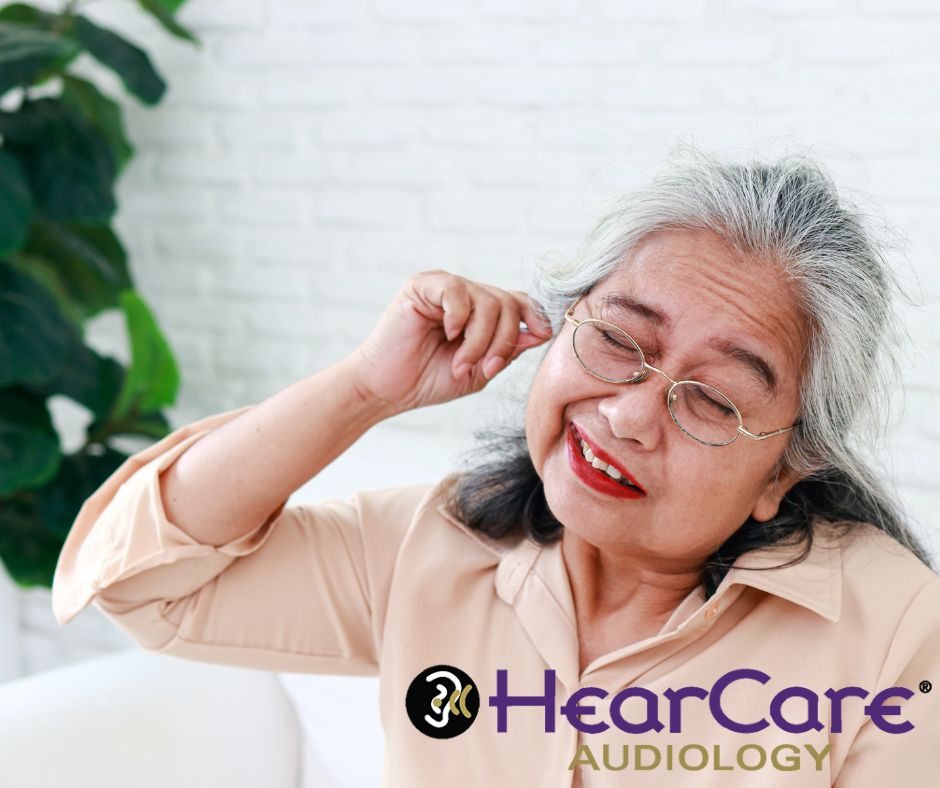
- Earwax helps protect the ear canal, and it usually does not need to be removed unless it is causing symptoms or blocking care.
- Home earwax removal may be unsafe if you have pain, drainage, dizziness, ear tubes, a possible eardrum problem, or a history of ear surgery.
- HearCare Audiology helps patients understand when not to remove earwax at home and when to book professional ear wax removal in Fort Wayne, IN.
Earwax can be annoying when your ear feels full, itchy, plugged, or muffled. It is natural to wonder whether you can clear it at home with drops, a cotton swab, a wax removal kit, or an ear-cleaning tool. Sometimes simple home care may be reasonable, but there are also times when trying to remove earwax at home is the wrong move.
The biggest issue is that you cannot see your own ear canal or eardrum. If wax is impacted, if the eardrum is irritated, or if your symptoms are caused by something other than wax, home removal can make the problem worse.
This guide explains when not to remove earwax at home, what warning signs to watch for, and when professional ear wax removal is the safer choice.
Why Earwax Should Not Always Be Removed
Earwax, also called cerumen, is not dirt. It helps protect the ear canal by trapping dust and debris, lubricating the skin, and supporting the ear’s natural cleaning process.
Many people do not need to remove earwax at all. A small amount of wax often moves outward on its own and can be wiped from the outer ear with a soft cloth. Problems usually happen when wax builds up, becomes impacted, blocks the ear canal, interferes with hearing aids, or prevents a provider from seeing the eardrum.
Removing too much wax, or removing it the wrong way, can irritate the ear canal and increase the chance of soreness, itching, infection, or blockage.
Do Not Remove Earwax at Home If You Have Ear Pain
Ear pain is a warning sign. Wax can sometimes cause pressure or discomfort, but pain may also point to an infection, inflammation, injury, or another ear condition.
Do not put drops, tools, water, cotton swabs, or peroxide into the ear if pain is present unless a healthcare professional has told you it is safe. If the ear hurts, the first step should be an ear exam, not guessing at home.
Professional evaluation is especially important if pain is sharp, worsening, one-sided, or paired with fever, drainage, dizziness, or sudden hearing changes.
Do Not Try Home Removal If You Have Drainage or Bleeding
Fluid, pus, blood, or a bad odor from the ear is not a normal earwax symptom. Drainage can suggest infection, irritation, a skin problem, or a possible eardrum issue.
Home removal in this situation can increase irritation or introduce more fluid into an already sensitive ear. Do not use ear drops, irrigation, or home suction devices if the ear is draining or bleeding.
Book an appointment with a medical or hearing healthcare professional so the ear canal and eardrum can be checked safely.
Avoid Home Earwax Removal If You May Have a Hole in the Eardrum
Do not use earwax drops, peroxide, water irrigation, or home flushing if you have or suspect a perforated eardrum. A hole in the eardrum can allow liquid to pass into the middle ear, where it may cause pain, infection, dizziness, or hearing problems.
You may be at higher risk if you have had:
- A known eardrum perforation
- Ear tubes
- Recent ear surgery
- A history of repeated ear infections
- Ear trauma
- Sudden pain followed by drainage
If any of these apply, professional ear wax removal done by an audiologist is the safer route.
Do Not Use Earwax Drops If You Have Ear Tubes or Recent Ear Surgery
Ear tubes and recent ear surgery change how the ear should be cared for. Products that are safe for one person may not be safe for someone with a surgical opening, healing tissue, or a sensitive middle ear.
If you have ear tubes, had ear surgery, or are unsure whether your eardrum is intact, do not start home earwax removal. Ask a professional what method is safe for your ears.
This also applies if you have been told to keep water out of your ears.
Do Not Remove Earwax at Home If You Feel Dizzy or Have Vertigo
Dizziness or vertigo can happen for many reasons, and not all of them are related to wax. Irrigating the ear, using cold or warm liquid, or irritating the ear canal can sometimes make dizziness worse.
If you have spinning vertigo, balance problems, nausea, or dizziness along with a clogged ear, do not try home flushing or deep cleaning. Schedule an evaluation instead.
Wax may be part of the issue, but dizziness deserves a careful look because the ear also plays an important role in balance.
Do Not Assume Sudden Hearing Loss Is Earwax
Earwax can cause muffled hearing when it blocks the ear canal. However, sudden hearing loss should never be brushed off as “probably wax.”
If hearing changes suddenly, especially in one ear, seek prompt care. Sudden hearing loss can come from problems beyond the ear canal, and timing can matter.
A professional evaluation can confirm whether wax is blocking the canal or whether a hearing test, medical referral, or urgent care is needed.
Avoid Cotton Swabs, Ear Candles, and Sharp Tools
Even if you do not have warning symptoms, some methods should be avoided.
Do not put these into the ear canal:
- Cotton swabs
- Hair pins
- Paper clips
- Ear candles
- Ear picks or metal tools
- Earbuds used as cleaning tools
- Home suction devices
- High-pressure water devices
Cotton swabs often push wax deeper instead of removing it. Ear candles do not reliably remove wax and may cause burns, debris, or injury. Sharp or narrow tools can scratch the ear canal or damage the eardrum.
If you want to clean your ears, limit cleaning to the outer ear unless a professional gives you specific instructions.
Be Careful With Home Wax Removal Kits
Over-the-counter earwax removal kits may soften wax for some people, but they are not right for every ear. They can also make the ear feel more clogged if wax softens, swells, or shifts without coming out.
Do not use a home wax removal kit if you have:
- Ear pain
- Drainage or bleeding
- Ear tubes
- A known or possible eardrum perforation
- Recent ear surgery
- Dizziness or vertigo
- A foreign object in the ear
- A history of being told not to put liquid in the ear
If you try drops and your ear feels worse, stop using them and have the ear checked.
When Home Care May Be Reasonable
Home care may be reasonable only when symptoms are mild, you have no warning signs, and you are confident your eardrum is intact. Even then, home care should be gentle.
Safer habits include wiping only the outer ear with a soft cloth and avoiding objects inside the ear canal. If a professional has said that wax-softening drops are safe for you, follow the product directions and stop if pain, dizziness, drainage, or worsening blockage develops.
Home care should not turn into repeated digging, flushing, or experimenting with different products. If the ear still feels blocked, professional removal is safer.
When to Book Professional Ear Wax Removal
Book professional ear wax removal when symptoms suggest a blockage or when you are unsure whether home care is safe.
Professional care is a better choice if you have:
- Muffled hearing or a blocked feeling that does not clear
- Ear fullness, pressure, or discomfort
- Ringing that may be related to wax buildup
- Hearing aids that sound weak or keep clogging
- Repeated wax buildup
- Narrow ear canals
- Symptoms after using cotton swabs or home drops
- Any warning sign listed above
During an appointment, a provider can look inside the ear canal, confirm whether wax is present, and remove it with appropriate tools or techniques.
Common Questions About When Not to Remove Earwax at Home
Can I remove earwax at home if my ear feels completely blocked?
It is better to have the ear checked if it feels fully blocked. A complete blockage may be impacted by wax, but it could also involve infection, fluid, or another ear condition. Trying to force wax out can push it deeper or irritate the canal.
Should I use hydrogen peroxide for earwax?
Do not use pure or undiluted hydrogen peroxide in your ear. Some over-the-counter drops use diluted peroxide-based ingredients, but they are not safe for everyone. Avoid peroxide or drops if you have pain, drainage, tubes, recent surgery, or a possible eardrum problem.
Are cotton swabs safe if I only use them gently?
Cotton swabs should not be inserted into the ear canal. They can push wax deeper, irritate the skin, or injure the eardrum. If you use them, keep them on the outer ear only.
Can earwax cause hearing aid problems?
Yes. Earwax can clog hearing aid receivers, domes, filters, or earmolds. It can also block the ear canal and reduce the benefit you get from your devices. If your hearing aids suddenly sound weak, check the device and consider scheduling an ear check.
What if drops made my ear feel more clogged?
Stop using the drops and do not dig in the ear. Drops can soften wax without clearing it, which may make the ear feel more blocked. A professional can check whether wax has shifted or become impacted.
When in Doubt, Have Your Ears Checked by a Professional
Do not remove earwax at home if you have pain, drainage, bleeding, dizziness, sudden hearing loss, ear tubes, recent ear surgery, or a possible eardrum problem. You should also avoid cotton swabs, ear candles, sharp tools, and high-pressure devices inside the ear canal.
Earwax is protective, and not every ear needs cleaning. When wax is causing symptoms or home care is not clearly safe, professional ear wax removal is the better choice.
Audiologists at HearCare Audiology can check the ear canal, confirm whether wax is the problem, and remove it safely when needed.
Contact us today to schedule an appointment!